I felt like I was cramming for the most important exam of my life.
One of the first things I found: For over 40 years, the standard of care (SOC) for canine hemangiosarcoma (HSA) has remained largely unchanged. Treatment typically involves surgical removal of the tumor, followed by chemotherapy, offering only modest life extension.
. . . THAT’S OVER FOUR DECADES of scientific stagnation.**
As someone with 14+ years in clinical research, I found this shocking, sad, and unacceptable. Determined to explore alternatives, I embarked on a research project that continues to this day.

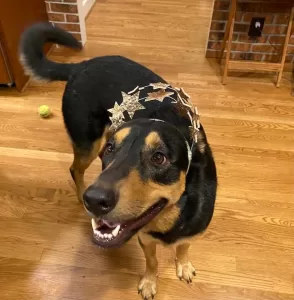
Cat, is my world. I refuse to let her go after just 7 short years of life, as long as she’s happy. And — not that it makes a difference at all in your capacity to love your dog — but we don’t (couldn’t) have kids, so that just makes my “world” a little smaller, revolving around my dogs instead. Also, not having (human) children has at least afforded me more time to devote to research HSA.
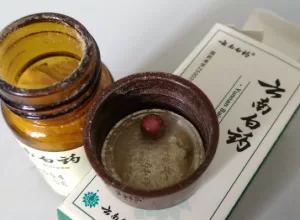
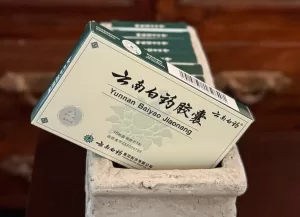
The conventional chemo-based approaches seem disheartening, offering minimal time at the cost of quality of life — but there is more to learn. I’ve also begun exploring alternative therapies — homeopathic and holistic options, dietary changes, and clinical trials. I can’t get her in to see a holistic vet for two weeks (26 days post-surgery & we’re already past that worst-case 14-day survival time projection).
With that said, our oncology consult is in 5 days, so with no other options available sooner, I’m willing to hear them out.
**Note, many of the peer-reviewed papers I’ve read on SOC state it has remained unchanged for “30 years,” but in digging deeper for a reference, I found that statistic came from a paper published in 2008 — titled “Canine hemangiosarcoma: a tumor of contemporary interest” — which means, in 2025, it has, in fact, remained unchanged for NEARLY 50 YEARS.
Wow.
A special thanks to The Canine Cancer Alliance for the loads of information you’ve provided me. Without this invaluable resource, this blog would not be possible. We are so grateful! 
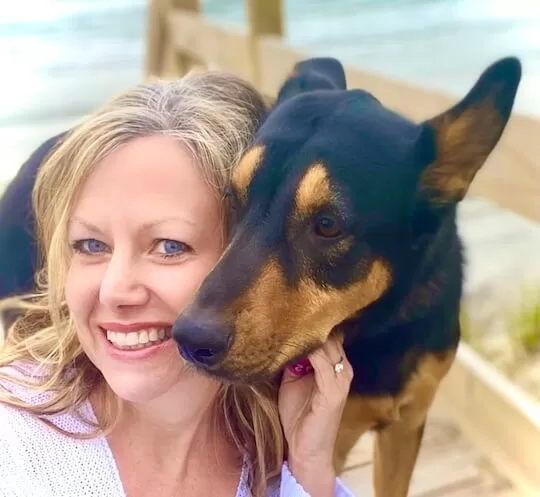 Carrie Stewart is a journalist and award-winning TV producer-turned-advocate for canine cancer awareness after working night and day for months on end to help her German Shepherd foster-fail/rescue pup, Cat the Dog, head off hemangiosarcoma for as long as she possibly can.