Initially, I had no clue how to create balanced diet for a dog — let alone a cancer dog — but I felt improving her diet was one thing I could quickly implement.
⏰🥱👉 TL;DR (brief article overview)
I switched Cat to a homemade, cancer-fighting diet focused on clean proteins, low-carb choices, and ingredients that support her overall health. This post explains what we removed (like high-glycemic fillers and unnecessary additives), what we added (simple, whole foods that her body handles well), and how we’re balancing nutrition with real life (for dog parents trying to build a smarter bowl without losing their minds).
My priority was to incorporate anti-oxidant, nutrient-rich ingredients & eliminate “cancer-feeding” foods like sugar and simple carbs. I also started avoiding a lot of our typical dog treats, opting for single-ingredient alternatives instead. Our dog trainer (from when she was a puppy) recommended these dehydrated liver treats, and they’re the perfect treat — single ingredient, high protein, nutritious. #nameispurecoincidence #iswear Both our pups also love these Natural Farm Bully Sticks (love these because they’re long-lasting), Pawstruck Bully Slices (not as long-lasting as the bullies, but they gnaw on them a while), and Pawstruck Beef Jerky.
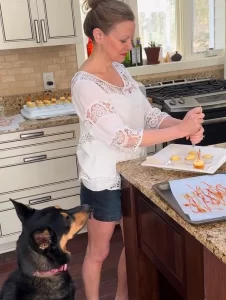
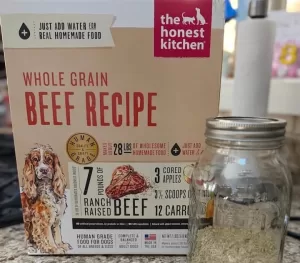
Note: If you’re considering adjustments to diet, it’s important to consult a veterinary nutritionist, holistic vet, or other qualified resource ASAP to get balanced recipes. For me, this was a quick-fix since it takes time to get in with specialists, so in the meantime, I combined homemade food with a high-grade kibble, assuming even small changes can make a difference.
My Approach
- I focused on high lean protein, low carbs (only complex carbs/whole grains), healthy vegetables, oils, and supplements. Meat organs, in moderation, are excellent. Meals must be fully cooked — raw diets are unsuitable for cancer dogs. Also, I avoid foods that may worsen pre-existing conditions (e.g., legumes because she has cardiomyopathy).
- Organic & free-range ingredients are ideal but can be costly. Still, a healthy homemade diet, organic or not, is generally better than most retail store-bought food.
- Blended the veggies. Cat hates vegetables & will pick them out of her food, so I started slow-cooking them with dog-safe meat broth and then throwing them in a blender. #veggieindoctrination😆 It ends up looking (and smelling) like something “health nuts” take in shots at smoothie joints. #beentheredonethat #neveragain
- Gradual transition. Like many dogs, Cat can have tummy issues, so I transitioned her to homemade food slowly.
Update (6 months post-diagnosis): At our first oncology consult, I was told dietary changes were unnecessary — a stance, at this point, I strongly disagree with. I’ll later share the benefits I’ve observed — despite the discouraging “she’s-going-to-die-soon-anyway” rhetoric I’ve gotten from some specialists throughout this experience (more on that later, too).
New! “Diet: Part II” & “The Reality of Cooking for an 80lb Dog“
…An addendum to this article as I’ve gone on to make better-balanced diets in larger batches. Read now ➡️
UPDATE: After months of trying to sustain the meal-making, I realized I couldn’t keep up, so I am now supplementing the homemade food with a human-grade dog food (called Sundays <<50% off with this link — because any savings is welcome at this point!). More on our quest to find a high-quality kibble in this article: The Reality of Cooking for an 80lb Dog. Read now ➡️
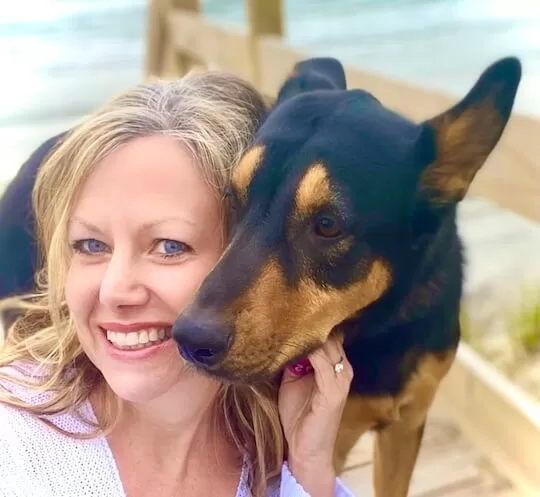 Carrie Stewart is a journalist and award-winning TV producer-turned-advocate for canine cancer awareness after working night and day for months on end to help her German Shepherd foster-fail/rescue pup, Cat the Dog, head off hemangiosarcoma for as long as she possibly can.